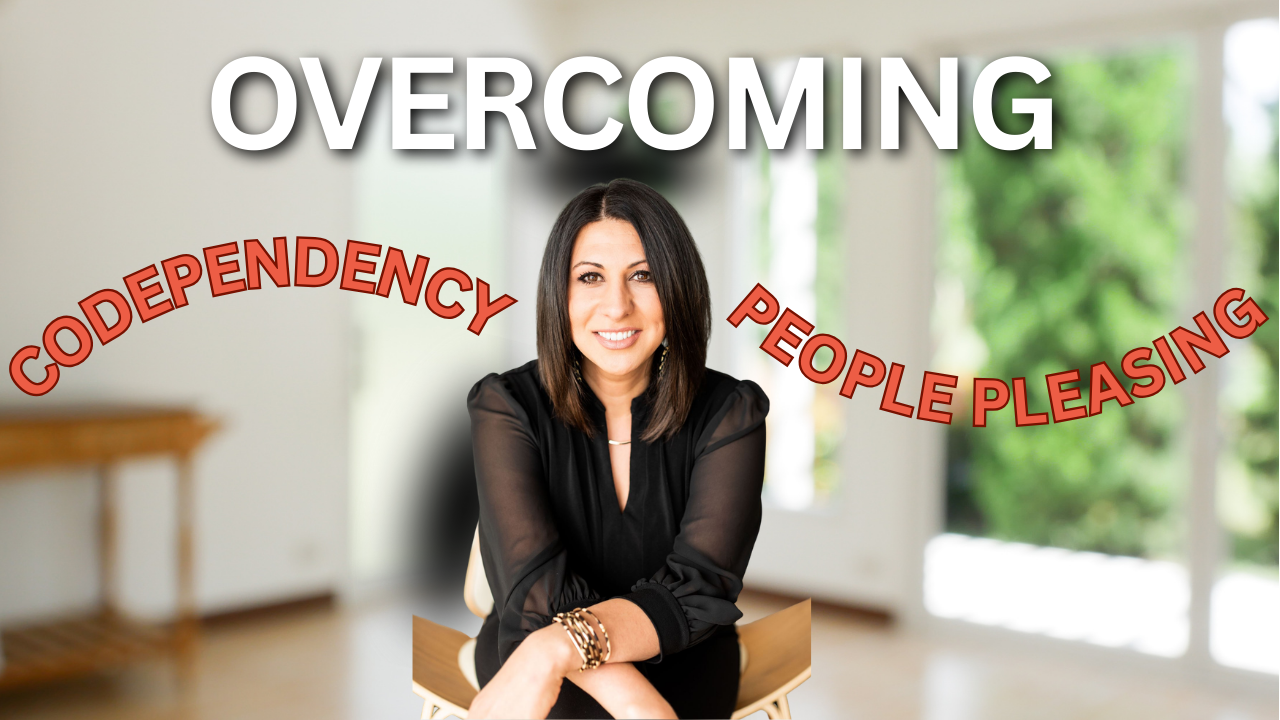
Today we’re breaking cycles with Deb Fileta as she dives deep into people pleasing, unpacking its roots, how it affects dating and relationships, and sharing practical steps to walk in healthy, God-centered connection!
Introduction
What is People Pleasing (and Why Isn’t It a Badge of Honor)?
How People Pleasing Shows Up in Dating
Why Do We Become People Pleasers?
From People Pleasing to Codependency
Breaking the People Pleasing Cycle
Closing Thoughts: Pleasing God = Authentic Relationships
Heyyy HOD fam! We are BACK with a hard-hitting episode in our “Breaking Cycles” season, and today we’re unpacking something that hits so many of us right where it hurts—PEOPLE PLEASING. Yup, we’re going there with the incredible Deb, a faith-forward licensed professional counselor, author, and just a true well of wisdom for our Heart of Dating community. So, whether you find yourself always putting others’ needs first, fearful of rocking the boat, or just exhausted from trying to keep everyone happy (and yourself last), this is for you. Let’s get into why people pleasing happens, how it holds you back in dating and relationships, and real steps to break free. Let’s GOOO!
For a lot of us, “people pleaser” has become this quirky label we throw around—almost like it’s just a part of our personality. But as Deb unpacks, behind every people pleaser, there was once a parent pleaser. People pleasing often gets its roots in childhood, especially if you found your value in being helpful, accommodating, and keeping the peace. Guess what? It feels like a good thing, but ultimately it’s not about loving others—it’s about trying to feel valuable ourselves.
Often, people pleasing is glorified, especially in faith communities, as something “Christlike.” But serving out of people-pleasing motives isn’t selfless, it’s secretly self-focused. True servant-heartedness is about loving others and honoring God, not filling our own need for validation. The difference? Motive. Are you genuinely serving, or is pleasing others the only way you feel safe, accepted, and loved?
Whew, if you thought people-pleasing only stuck around your childhood home, think again! As JJ Tomlin and Kait Tomlin share, people pleasing can go into hyperdrive in dating. You show up as your absolute “best” self, accommodating every request, swallowing your opinions (Runaway Bride eggs, anyone?!)—and sometimes, you don’t even know what you actually like anymore. You might think you don’t care, but really, you’ve never given yourself permission to care.
Eventually, this pattern leads to feeling empty, resentful, or disconnected—because your needs aren’t being met, and you’ve never voiced them. Relationships built on one person constantly over-giving ultimately fizzle out or breed resentment.
People pleasing isn’t random—it’s a survival strategy. For many, it starts in homes where affirmation and validation were inconsistent, so you learned that your worth was connected to what you could do for others. Some families make performative “helpfulness” the norm, especially if someone else in the system had big needs (illness, addiction, or a parent in crisis).
The payoff? You get applause, gratitude, and (for a minute) a sense of worth. But you also learn to silence your needs to avoid conflict, rejection, or feeling like a burden. This can even shape how you relate to God—making Him seem like yet another Person you have to “perform” for to be loved.
Let’s call it: People pleasing is often a slippery slope towards codependency. According to Deb, when you start basing your mood, value, and identity on someone else’s responses, you’re venturing into codependent territory. Not every people pleaser is fully codependent, but codependency is people pleasing on steroids—it’s being emotionally “tethered” to another person, feeling responsible for their happiness, and losing your own sense of identity in the process.
This is why boundaries and voicing needs are essential skills to develop before or during dating. Otherwise, you risk recreating the same unhealthy patterns in every new relationship, and might even attract unhealthy or narcissistic partners.
Okay, so how do you stop being a people pleaser? The first, most important step is awareness. Every day, ask yourself: “What do I feel? What do I need?” before you worry about anyone else’s feelings or needs. Start with small, low-stakes situations—say “no” to a coffee you don’t want, or voice your opinion about what movie you actually want to see. Being honest about your needs isn’t selfish; it’s a skill you practice like building a muscle.
Next up: boundaries. This will feel scary, especially with people who are used to you saying “yes” to everything. Know that not everyone will like “the new you”—and that’s okay! Your ultimate goal isn’t to keep everyone happy; it’s to live untethered, in alignment with God, not the ups and downs of anyone else’s approval. Assertiveness is a people skill you can learn with practice, support, and often, therapy.
People pleasing isn’t your destiny—it’s a learned survival skill you can unlearn. The freedom to have healthy, God-honoring relationships comes from showing up as your truest self, not a version of you fueled by fear, performance, or the chase for affirmation. If “people pleaser” has been your story, consider this your invitation to step into a new story—one where you get to show up, share your needs, and build relationships that thrive on honesty, not exhaustion.
We’re cheering you on, fam! If you want more, check out Deb’s book “People Skills” for deeper dives and practical tools for breaking cycles and building the relationships you actually want. See you next week!
Debra Fileta is a Licensed Professional Counselor, relationship expert, national speaker, and the author of True Love Dates, Choosing Marriage, and Love in Every Season. Debra is also the creator of the popular relationship advice blog, www.TrueLoveDates.com as well as the Love + Relationships Podcast, reaching millions of people with the message of healthy relationships. You may also recognize her voice from her 200+ articles published across the internet.

Stay up to date with all our latest episodes featuring fresh, compelling topics and guests weekly!